Over Christmas, my good friend Neil said that switching from Spotify to Qobuz has made him fall in love with music again. Really, Neil? You sure you’re not overstating your reaction to a simple platform change? It was enough to make me find out for myself. A couple of weeks on, I’ve come to see what he means.
What does any of this have to do with storytelling for social good? I'll try to explain...
In this edition of Stories for Social Good, I discuss:
Qobuz, Spotify, creativity and the human touch
Why generative AI has stalled when it comes to storytelling
How technology changes but human needs stay the same
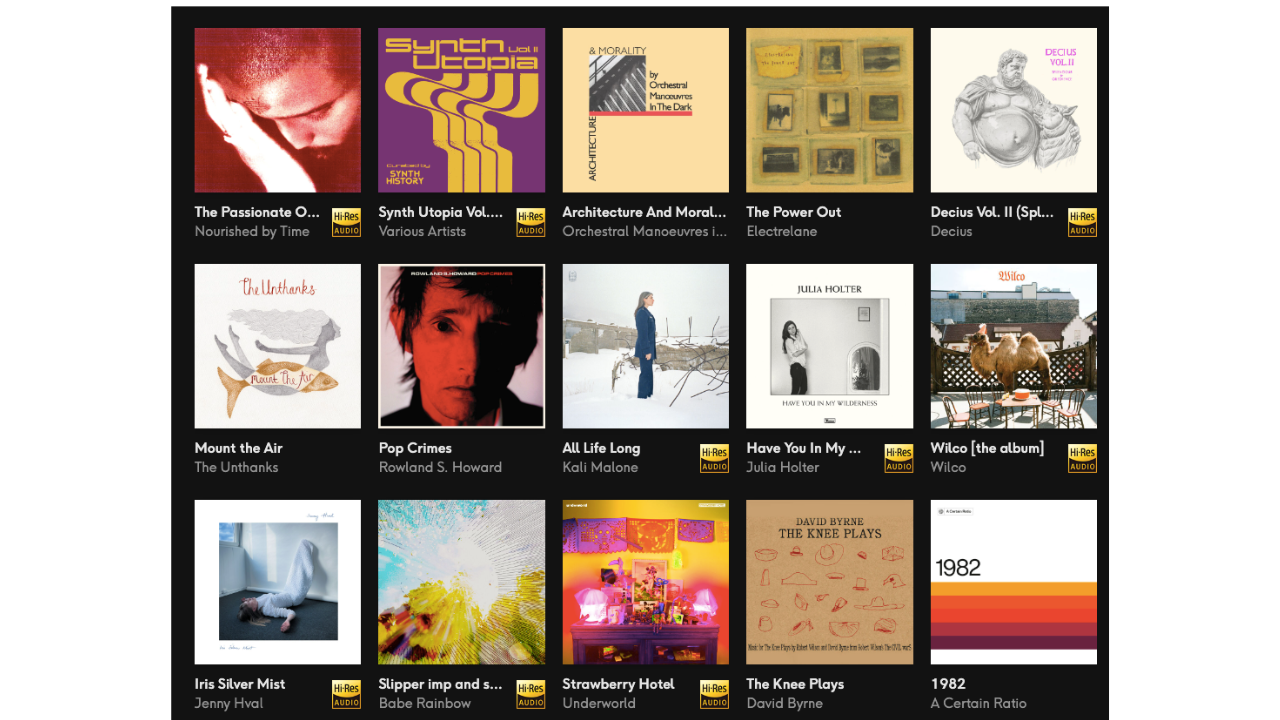
Five of my totally human-biased favourite albums from 2025
Qobuz (pronounced koh-buzz) is a music streaming and download platform that focuses on fairness and transparency. Qobuz pays its artists approximately $13.60–$20 per 1,000 streams. For roughly the same monthly subscription, Apple pays $7-$10, and Spotify pays just $3-$5. None of these rates feels like enough, but there’s clearly a standout winner.
Of course, if you really want to support artists, you can go to gigs and buy CDs, records and merchandise. But if, like me, you’ve come to find streaming an irresistibly convenient part of your listening life, Qobuz will make you feel better about your choices (plus, you can still go to gigs and buy the physical stuff too).
However, nice though that feeling is, it doesn’t quite make you fall in love all over again, as Neil had claimed. Surely, love goes deeper than mere equitable remuneration and musicians’ rights... Isn't love about trust, deep empathy and the furthest reaches of human emotion? Yes, music and love have these things in common. But what does that have to do with the platform it’s played on?
As I’ve come to realise, the more human and less algorithm-led the approach, the more love I feel for the music.
And that got me thinking about the parallel with human over AI storytelling.
The problem with technological progress that downgrades human creativity
A bit like with generative AI, I’d become a quiet advocate for Spotify. Keen not to appear a laggard, I’d gently enthuse about how the Radio feature had introduced me to untold new artists, and the all-round sheer range of music at my fingertips. Ignoring niggling doubts about artists’ interests, I’d be pragmatic about ‘the world we now live in’.
Similarly, I’ve cautiously recommended ChatGPT to writers for research, to try out arguments, and even, in some circumstances, to write first drafts (never final copy). I didn’t want to be the old fart (does anyone say ‘old fart’ anymore?) in the corner clinging blindly to his traditional methods.
But something hasn’t felt right. Something’s been missing – and not just compared with my rose-tinted view of the past, but also compared with alternative, less machine-reliant practices of listening and writing. Gradually, insidiously, my experiences have felt somehow less - like getting distracted by the politician who insists this is simply the way life is now. Marxists call it false consciousness. Spotify calls it your AI DJ.
Unlike Spotify, Qobuz leans into humans’ interactions with music. Promoted playlists are curated by experts, articles and profiles are written by people with insight, and the payment model is more respectful of the time it takes to create great music (including no free option). The interface is also better than Spotify for viewing your ‘collection’ of liked, streamed and downloaded music – most of which is at a higher quality of audio.
Together, these things have nudged me back towards a fuller appreciation of music. I find myself re-listening to albums more, curating my own playlists with greater care, and generally taking more time over music – which, I’m reminded, is something I’ve always loved doing.
The same is true of reading and writing. While AI continues to impact areas as diverse as healthcare, climate change, driverless cars and legal support, its ability to improve creative output has stalled. Three years on from ChatGPT, we’re more concerned about the rise of generative AI slop than we are captivated by machine-created words and images. Yes, it’s fast, but what it produces doesn’t quite ring true (I can only speak as a human, here). Somehow, it manages to feel both odd, impersonal and generic all at the same time.
Valuing creativity in an AI world
The other thing about switching to Qobuz is that it’s helped relieve one of the many cognitive dissonances that nag away at my peace of mind. It’s almost impossible to live your life 100% true to your values, but joining Qobuz is a relatively small action I’ve been able to take to help put my thinking into practice.
I love music, so of course I want artists to be paid fairly. And guess what, it turns out I can help with that. As I learned working with Denise Hicks and the C Space team on their award-winning S-Word report, people want the good life – to live sustainably in a world that satisfies their personal needs too – and I’m no exception.
I feel lucky to be able to make these win-win choices. If I have a New Year’s resolution, it’s to think more about aligning what I think and do. Professionally, that means probing more deeply the thinking and practice of Storytelling For Social Good – the projects I work on, the approaches I take and the methods I use. I expect everything will continue to involve AI, but I'm going to be more mindful of its shortcomings.
But all that’s for future newsletters. In the meantime, with all my human subjective biases, passions and limitations, here are five albums I’ve enjoyed from 2025.
What are your favourite albums from 2025? And I am missing something with creativity and AI?
Subscribe to the new Stories for Social Good newsletter on LinkedIn ⬇️ and join the conversation. All thoughts welcome in the comments 🙂